
Key points
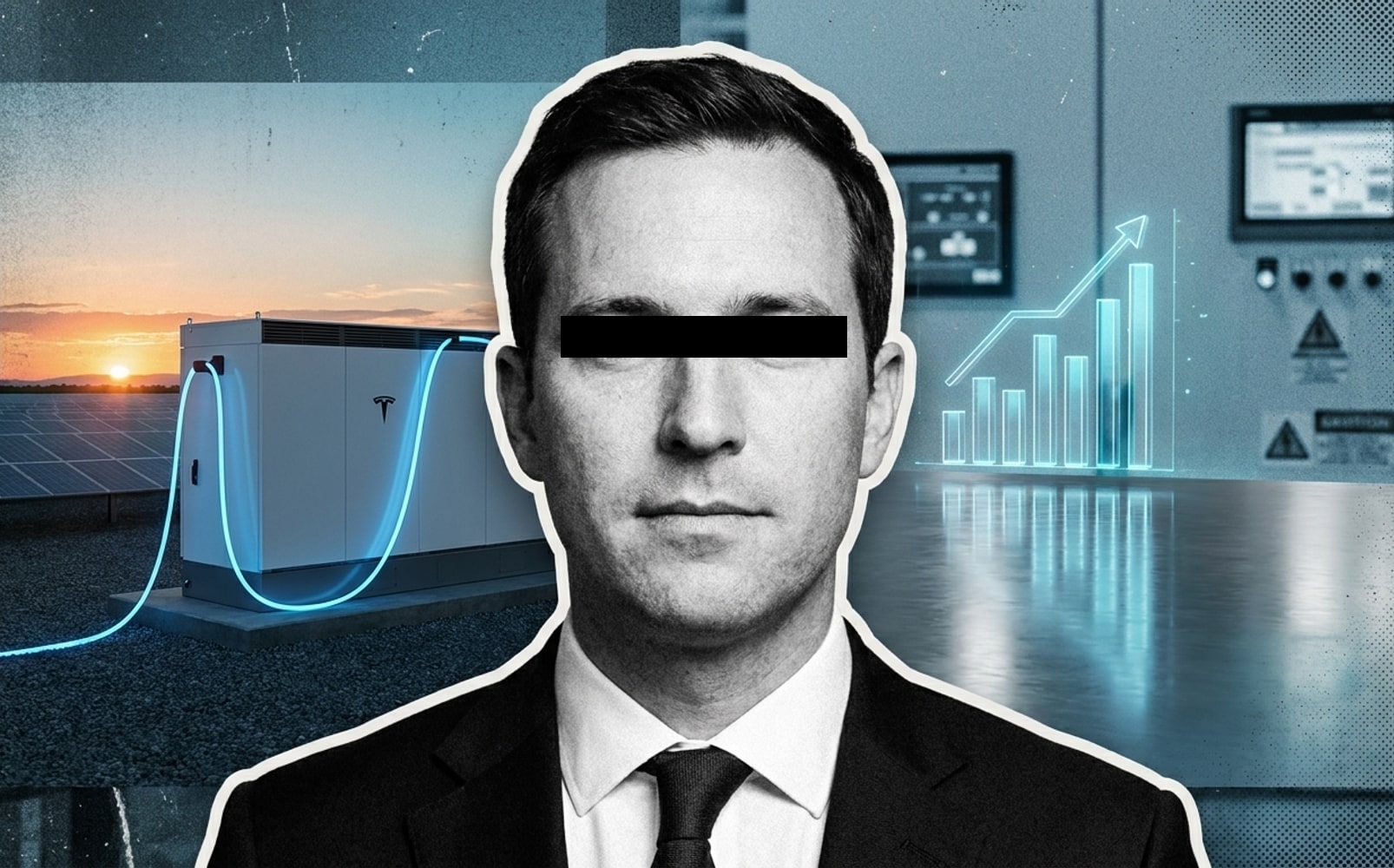
- Tesla's Megapacks are nearly sold out through 2027, per Elon Musk, as global energy-storage demand accelerates.
- Tesla's CFO confirms tariff refunds are being reinvested into production capacity, not held as cash reserves.
- Analyst commentary suggests the scale of Tesla's business diversification may be reshaping perceptions of electric-vehicle and energy-infrastructure valuations.
Demand for energy-storage systems has reached a critical inflection point: reports indicate Tesla's Megapacks, the company's grid-scale battery platform, are now nearly sold out through all of 2027. Elon Musk confirmed the company is ramping production "as quickly as possible" to meet surging demand, a signal that the battery and charging supply chain may be entering a multi-year expansion cycle. For investors tracking the electric-vehicle ecosystem, this development extends well beyond TSLA (down 0.63% today) and into the broader battery-supply and materials sectors.
Energy Storage Becomes the Urgent Constraint
Tesla's Megapack sellout reflects a structural shift: grid-scale energy storage, not vehicle production, is now the bottleneck. Reports from the company confirm that tariff refunds flowing to Tesla are being channeled directly into manufacturing expansion rather than accumulating as cash. This reinvestment posture may suggest management confidence in sustained demand across both energy-storage and automotive segments. The supply-chain implication is clear: lithium miners, battery-material suppliers, and charging-network operators could face sustained tailwinds as capacity constraints ripple through the sector.
Competing automakers and suppliers tracked on our Insider Score feed are monitoring this dynamic. RIVN (Rivian Automotive, down 1.91% today), GM (General Motors, down 1.67%), and F (Ford Motor, down 2.85%) face intensifying pressure to scale both vehicle and charging-infrastructure offerings. Upstream, battery-material companies including ALB (Albemarle Corporation, up 1.22%) and FCX (Freeport-McMoRan, up 0.91%) could see further demand signals as automakers and energy-storage firms compete for raw materials.
Analyst commentary suggests the breadth of Tesla's operations, spanning vehicles, energy storage, and manufacturing, may be reshaping institutional views on scale and margin resilience in the sector. Reports indicate that some investors are beginning to price in the possibility that energy-storage revenue could outpace automotive on a per-unit profitability basis within the next two to three years.
What To Watch
The sellout of Tesla's 2027 Megapack inventory does not guarantee sector-wide expansion, but it may signal the beginning of a multi-year upside cycle for battery, charging, and energy-infrastructure suppliers. Investors may want to monitor insider transactions across the electric-vehicle and battery-material supply chains, particularly among senior executives at RIVN, GM, and battery-material firms, for evidence of conviction in long-term demand. Watch for quarterly earnings calls and production guidance updates from legacy automakers, which could reveal whether competitive pressure from Tesla's energy-storage momentum is forcing capital-allocation shifts.
For a deeper view of insider confidence and conviction across electric-vehicle stocks, explore our Insider Score rankings and transaction feeds.