
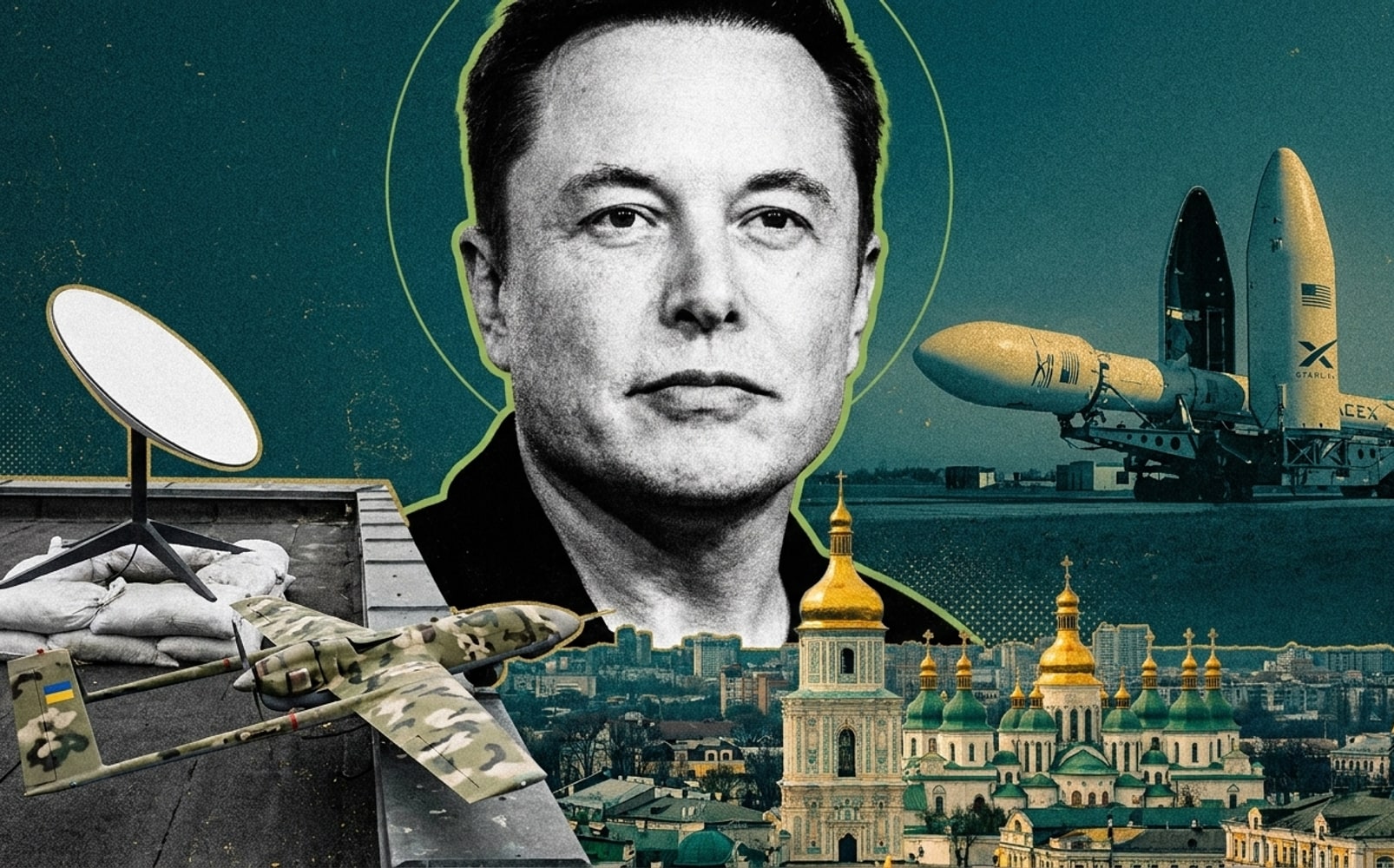
Ukraine's access to Starlink is a decision for Elon Musk and SpaceX, not the White House, Secretary of State Marco Rubio told reporters on Wednesday, October 21st, 2026 during a trip to India, according to Reuters. Rubio said he was not aware that the administration knew of the decision in advance, and described the arrangement as a private commercial contract that governs how the service can be used and at what speeds.
The figure underneath the diplomacy is this: a Senate Democratic aide told Reuters that the Starshield slowdown occurred during an October 13th to 16th, 2026 visit to Kyiv by a bipartisan U.S. congressional delegation, and that it put the lawmakers, their staff and 230 U.S. personnel on the ground at risk.
What happened
The Wall Street Journal reported on Tuesday, October 20th, 2026, citing U.S. officials and people familiar with the matter, that Musk ordered a slowdown of Starshield, the military-grade version of Starlink that Ukraine relies on against Russian missile and drone attacks. CNBC, summarizing that report the same day, said Musk capped the speeds at which Ukrainian hardware could stay connected to the network, and that the decision left some Ukrainian drones virtually inoperable.
The Conversation reported that the disruption began on the night of October 13th to 14th, 2026, that President Volodymyr Zelenskyy called it a big mistake, and that by October 15th service had apparently been restored to full capacity. Rubio said his understanding was the same, that service had been restored.
Who gave the order
The accounts do not agree. Reuters cited two U.S. officials and a Western official briefed on the matter who said the decision ultimately came from the White House, a version asserted by Zelenskyy and denied by the administration. The Journal's sources pointed to Musk himself.
Musk wrote on X on October 14th, 2026 that Starshield systems are owned and controlled by the U.S. government, and that any limits on speed or usage are set by the U.S. military and ultimately the president, as quoted by CNBC and Straight Arrow News. The Journal reported that Musk and President Donald Trump discussed the throttling in a call soon after it became public, with one person saying Musk, Trump and White House officials discussed the matter beforehand, while other U.S. officials said Musk acted unilaterally.
Trump, asked by reporters on Wednesday, October 21st, 2026 whether Musk ordered the slowdown, said he did not know who did it and was not involved, Reuters reported. CNBC reported that he had said on Monday he did not know who ordered it but would like to find out. Defense Secretary Pete Hegseth said on Tuesday, October 20th, 2026 that Washington had not withdrawn Ukraine's access, and framed the episode as commercial: there are terms of service that must be complied with, and Starlink has the option to make those decisions.
What the record shows
Nothing, and that is the point. SpaceX is privately held. There is no ticker, no price reaction to read, and no public filing from the company on this episode. Our own tables have no insider record to examine here, because none exists to examine.
Musk and SpaceX did not respond to Reuters' requests for comment. CNBC noted that the Journal's story was not raised on a subsequent conference call between Musk and investors.
What to watch
The political response has already moved past the incident itself. Paul Krugman published a post on his Substack on October 22nd, 2026 titled "It's Time to Take Starlink Away from Elon Musk," arguing that no private individual should be making national security policy, that slowing Starlink amounted in effect to a U.S. intervention in a foreign conflict, and pointing to Franklin Roosevelt's April 1944 seizure of Montgomery Ward as precedent for temporary nationalization.
The open questions are narrow and concrete. Who issued the instruction, whether the contract terms Rubio and Hegseth both invoked permit a unilateral speed cap, and whether any part of the arrangement becomes public. Until one of those is answered, the only firm facts are the dates of the slowdown and the 230 U.S. personnel the Senate aide says were exposed by it.
Reporting in this story comes from Reuters as carried by Internazionale, Arab News, Kyiv Post and Al Jazeera, along with CNBC, The Conversation, Straight Arrow News and Paul Krugman's Substack, as of October 22nd, 2026.
Informational only, not investment advice.